






When we talk about retail as a social and cultural space, we are really talking about something that goes beyond the simple exchange of goods. This kind of store becomes a place where people linger, meet, learn, and recognize part of their everyday lives. That is precisely why these examples are interesting, because they show that a retail space can be part of local life rather than just a stop along the way. That is also where their value lies, as they change not only the appearance of the store but also the relationship between retailer, customer, and community.
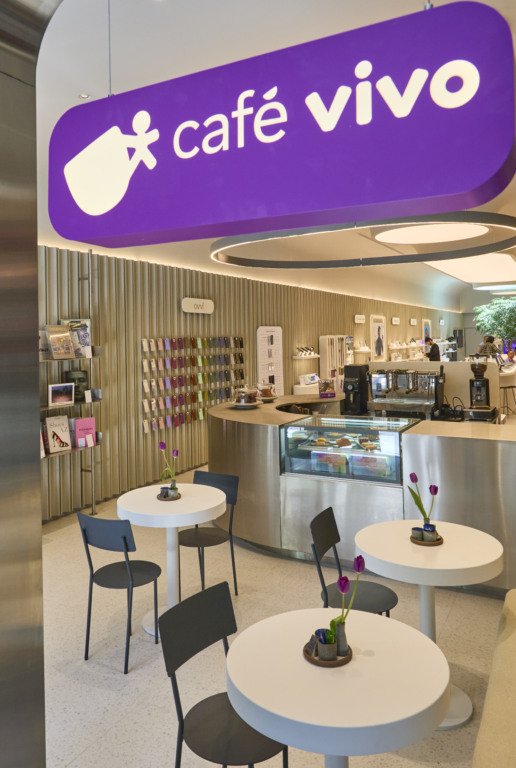
A good example comes from São Paulo, where Vivo opened a flagship on Oscar Freire that clearly moves away from the classic tech showroom and offers a different kind of experience. The space includes Café Vivo, but more important than the coffee itself is the way local partners are involved. There are desserts from a small online bakery, a collaboration with a chef, and a selection of books from an independent bookstore, all coming together as a small, carefully composed ecosystem. The space is designed to naturally invite people to stay longer, with warm materials, calmer zones, and no strong dominance of screens. The focus shifts from products to the experience of being there. People come in even when they are not planning to buy anything, stay longer, and over time develop a different relationship with the brand. For the local community, it becomes another place to pause and meet, and for the retailer, a way to build trust through real, local stories.
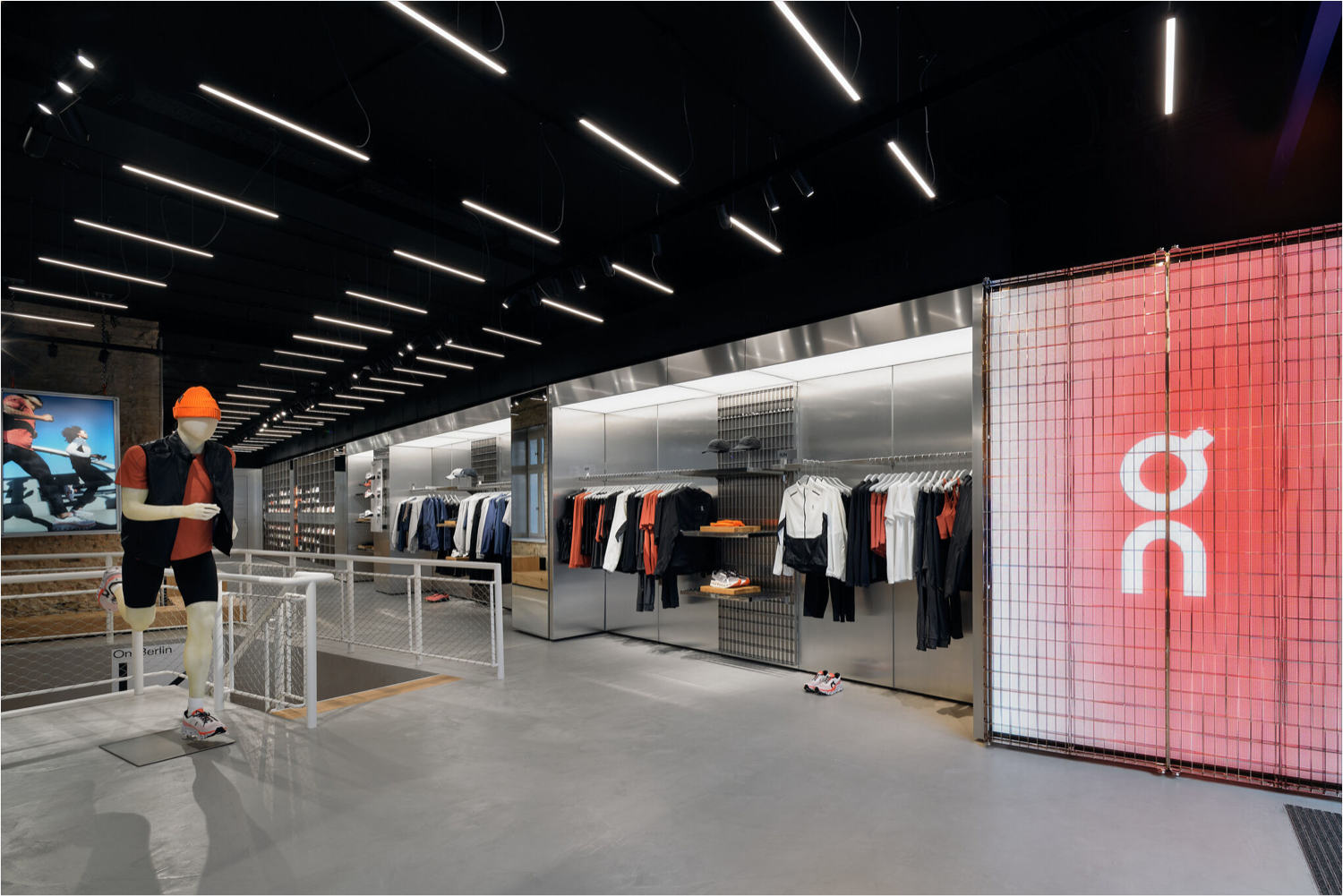
A similar logic can be seen in Berlin, where On designed its space as an extension of the running community rather than just a sports retail store. The space functions as a base for group runs, but also as a place to return to afterward. Run club meetups are regularly organized, and the space reflects the community through event announcements and collaborations with local partners. Staff actively connect people with these activities, so the line between shopping and participation almost disappears. People do not come only for equipment, but for a sense of belonging. This is what creates a habit of visiting and strengthens the long term relationship with the brand, while also presenting a challenge, as such a space requires constant energy and authenticity.
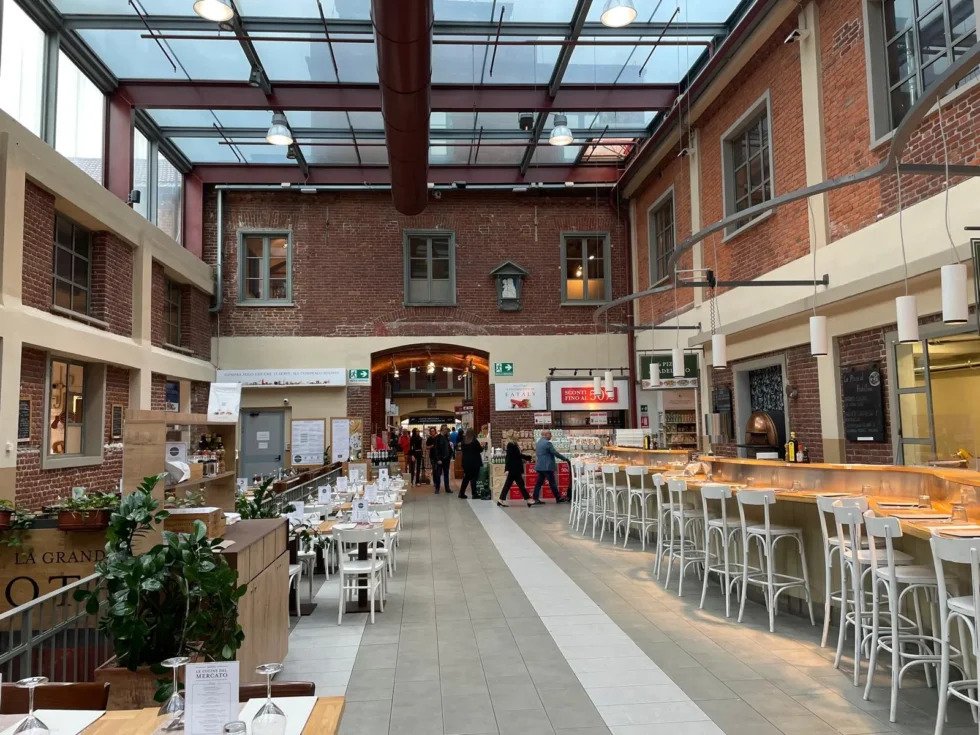
In the case of Eataly, this approach may be the clearest, as it was conceived from the start as a combination of retail, learning, and shared dining. The first location in Turin was not just a supermarket, but a place where people could learn about food through workshops, tastings, and conversations with producers. This model later expanded, while keeping the same idea. Visitors do not come only to buy groceries, but to understand them, learn how to prepare them, or hear the story behind them. The retail experience does not end at the shelf but continues through experience. Over time, such a space becomes a destination, a place people go to with intention rather than by chance. For the community, this means preserving and sharing culinary habits, especially those deeply connected to local identity.
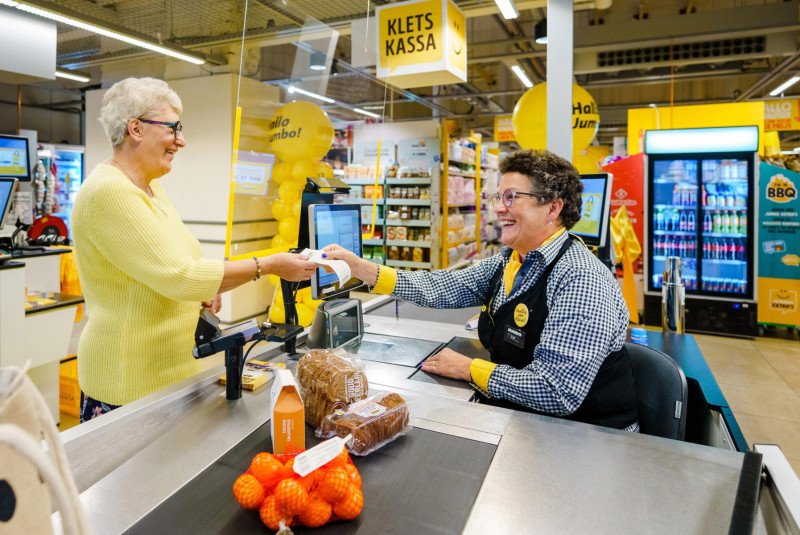
Jumbo shows that this approach does not have to be complex to be effective. By introducing chat checkouts and social spaces within the store, everyday shopping gains a new dimension. Customers can choose a slower checkout and have a conversation with staff, without the usual pressure of speed. In addition, coffee corners and collaborations with local associations open space for simple activities, from conversations to practical help for older people. These changes do not require major interventions, but they significantly transform the experience of the space. Customers feel more comfortable and relaxed, and the store gains a warmth that is rarely associated with supermarkets.
When all these examples are viewed together, it becomes clear that retail can become a platform for community rather than just a place to shop. Longer visits, more frequent returns, and stronger connections with the brand emerge naturally from this approach. Collaboration with local partners further adds credibility that is difficult to replicate artificially. At the same time, this model requires more attention, engagement, and thoughtful planning, especially when it needs to be sustained over time or scaled across multiple locations.
In the end, perhaps the most important point is that this is not about adding something to retail, but about changing the way we think about it. When a space begins to reflect the life of a community, shopping stops being an isolated activity and becomes part of a broader everyday experience. This shift is subtle, but in the long run it changes how we perceive retail.
 Back to the list